
Markus Spiske via Flickr
Testing the Political Landscape
Germany’s Super-Election Year and the Youth Vote
Speaker: Thorsten Faas, Visiting Professor, Munk School of Global Affairs and Public Policy, University of Toronto
Moderator: Eric Langenbacher, Senior Fellow and Director of the Society, Culture & Politics Program, AGI
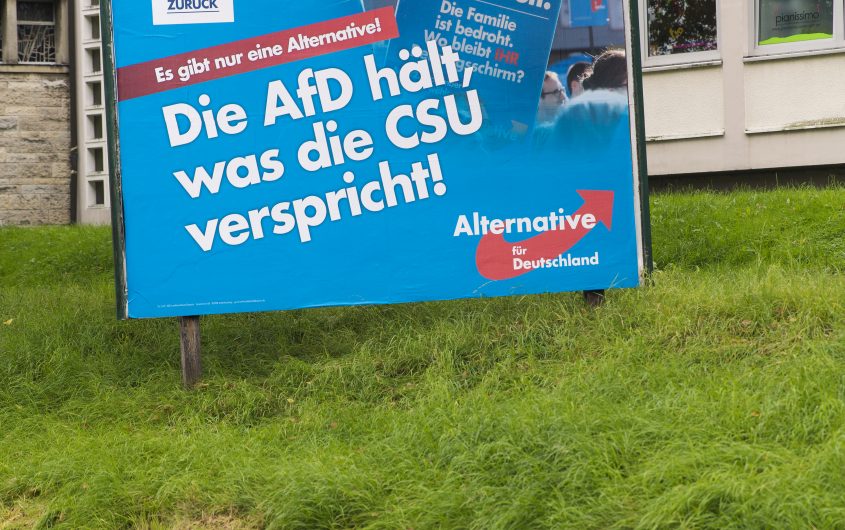
The German youth vote has become increasingly critical in electoral performances. As Germany enters 2026, young people are expected prove pivotal across numerous state elections. Five state elections are on Germany’s political calendar this year: Baden-Württemberg, Berlin, Mecklenburg-Western Pomerania, Rhineland-Palatinate, and Saxony-Anhalt. With eyes on the two elections in the east, questions remain. How strong will the AfD be in Mecklenburg-Western Pomerania and Saxony-Anhalt? Will the AfD be part of a government for the first time?
Often overlooked are three other elections also of great importance to the AfD’s campaign for leadership. This applies especially to the election in Berlin, which could be a harbinger of future developments across German states. Additionally, the first two elections of 2026 will take place in western Germany in March. Will Baden-Württemberg remain in the hands of the Greens? Outcomes in Rhineland-Palatinate could be even more important in terms of federal politics, as the state has been governed by the SPD for thirty-five years. Can it remain at the helm?
Shortly before the first state contests on March 8, this session takes a detailed look at the elections, their backgrounds and consequences. Based on recent studies of the German Jugendwahl, Professor Thorsten Faas also focuses specifically on the views of young people on German politics and their impact on shaping political outcomes.
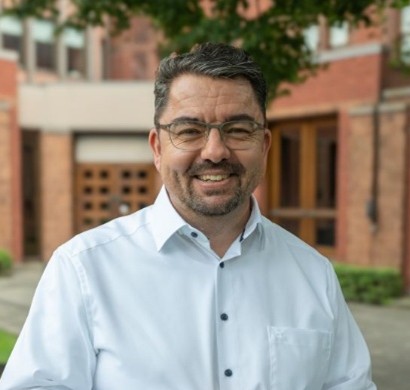 Professor Dr. Thorsten Faas is one of Germany’s most renowned election researchers. He is currently a visiting professor at the Munk School of Global Affairs and Public Policy at the University of Toronto. He holds the Hannah Arendt Visiting Chair for German and European Studies, which is funded by the German Academic Exchange Service (DAAD). His research focuses on electoral politics and campaign communications, particularly as they relate to young people and German elections. Faas is one of the principal investigators of the German Longitudinal Election Study (GLES) and a member of the Planning Committee for Module 7 of the Comparative Study of Electoral Systems (CSES).
This event is supported with funds from the Harry and Helen Gray Humanities Program.